40 how to read food labels canada
How to Read Your Food's Nutrition Labels | Manitoba Renal Program Step 2: The % Daily Value is a quick way of knowing if there is a lot or a little of a nutrient in the food. 5% Daily Value or less is a little, 15% Daily Value or more is a lot. Step 3: This number is the actual amount of the nutrient in the food serving size. Step 4: Ingredients are listed in order of how much an ingredient is in the package. PDF How to Read Food Laels & Understand Anada'S Food Guide Check the food label. Look for reduced fat or lower fat cheeses. Lower fat cheeses generally have less than 20% milk fat (M.F.). You can also compare the Nutrition Facts tables to choose a lower fat cheese. Limit cream cheese, ice cream, coffee cream, whipping cream, and sour cream. These foods are high in fat and calories.
How to Read Nutrition Labels Like a Pro | Reader's Digest Canada How to Read Nutrition Labels in Canada, Line by Line Serving Size. When it comes to learning how to read nutrition labels, the first place to look is the serving size. Located directly under the "Nutrition Facts" title at the top of the list, it displays the amount of fat, calories and nutrients you're consuming. Compare the specific ...
How to read food labels canada
PDF Label Reading the Healthy Way - Alberta Health Services Choose fewer processed and packaged foods. Look for unsalted, low salt, and no-added salt foods. Read ingredient lists on packages. Limit foods with salt, sodium, or soda as one of the first 3 ingredients. Compare brands. Choose foods with 15% or less DV for sodium. Fats Fats found in food can be unsaturated, saturated, or trans fats. How to read food labels: MedlinePlus Medical Encyclopedia Always check the serving size first. All the information on the label is based on the serving size. Many packages contain more than 1 serving. For example, the serving size for spaghetti is most often 2 ounces (56 grams) uncooked, or 1 cup (0.24 liters) cooked. If you eat 2 cups (0.48 liters) at a meal, you are eating 2 servings. Food labelling for consumers - Canadian Food Inspection Agency Consumers can use food labels to make more informed choices about the food they purchase. Both Health Canada and the Canadian Food Inspection Agency (CFIA) provide direction on food labelling in Canada. In this section you will learn how to read a food label, and receive information on certain parts of the label, including best before dates and ...
How to read food labels canada. Front-of-package nutrition labelling - Canada.ca Read Health Canada's backgrounder on front-of-package labelling. June 30, 2022 . Health Canada is introducing new nutrition labelling regulations for packaged foods requiring a symbol on the front of packages indicating that a food is high in saturated fat, sugars and/or sodium. The regulations will come into effect on January 1, 2026. Date labelling on pre-packaged foods - Canadian Food Inspection Agency How a best-before is shown on a label The best-before date must be identified using the words "best before" and " meilleur avant " grouped together with the date, unless a clear explanation of the significance of the best-before date appears elsewhere on the label. About food labels - Canada.ca By law, most packaged food must be labelled with: a nutrition facts table, which gives you information on: serving size. calories. nutrients. percent daily values (% DV) an ingredient list, which lists all the ingredients in a food by weight. this begins with the ingredient that weighs the most and ends with the ingredient that weighs the least. Canadian Food Consulting Services - Food Labels Canada The Canadian food industries solution for product labels and nutritional analysis. Food labels Canada assists domestic and international food companies with their food product labeling to ensure 100% compliance with the Canadian Food Inspection Agency label requirements. These regulations are under the Safe Foods for Canadians Act, the Food and ...
Understanding Food Labels - Go Dairy Free Food labels can be confusing, especially when special diets and food allergies come into play. This handy quick guide includes the essentials to understanding food labels for dairy-free diets. Click on any of the links or images below to get information on understanding food allergen labeling (including how to spot milk when it isn't clearly ... Nutrition Labelling - Canada.ca Nutrition labelling is information found on the labels of prepackaged foods. The legislated information includes: The Nutrition Facts table The ingredient list Some optional nutrition claims These give you information about the nutritional value of a food. You can use this information to make healthier food choices and achieve overall good health. Your Complete Guide to Reading Food Labels - Best Health Sodium. Health Canada suggests keeping your daily sodium intake to less than 1,500 milligrams, or just over 1/2 teaspoon, with 2,300 milligrams at maximum. For a food product to be considered 'sodium-free,' it must contain less than five milligrams of sodium per serving. Look for foods that have less than 360 milligrams of sodium per serving. Food labels - Canada.ca Food labelling changes About the improvements to the nutrition facts table and list of ingredients. Technical documents Documents for industry that outline rules for specific labelling requirements. Understanding food labels About nutrition facts tables, serving size, the list of ingredients, percent daily value and nutrition claims.
How to Understand and Use the Nutrition Facts Label | FDA When looking at the Nutrition Facts label, first take a look at the number of servings in the package (servings per container) and the serving size. Serving sizes are standardized to make it easier... How to read food date labels and packaging - Canada.ca The "best before" date must be identified using the words "best before" and "meilleure avant" together with the date. These can appear anywhere on a package -- and if on the bottom, that placement should be indicated elsewhere on the label. The month of expiration must be in both official languages or indicated by using specified bilingual symbols. Understanding a food label - Canadian Food Inspection Agency These key labelling elements are: the Nutrition Facts Table, list of ingredients, allergen statements - especially if you or someone you know has food allergies - and date marking information, such as best before dates. Nutrition Facts Table List of Ingredients Allergen Declarations and Gluten Sources Date Marking Use food labels - Canada's Food Guide Food labels provide information you can use to make informed choices about foods and drinks at the grocery store and at home. Food labels can help you: compare and choose products more easily know what ingredients a food product contains choose products with a little or a lot of the nutrients that are of interest to you Changes to food labels
Safety Checklist - Food Allergy Canada
Reading food labels - Food Allergy Canada Choose a few food packages from your kitchen cupboards and read the labels carefully. This is an easy way to practice label reading. Remember to look for precautionary statements on the package. Give yourself more time for grocery shopping so you can read food labels carefully.

How to Read a Label
PDF How to Read the Food Label - Risk Services Sample label. much you're actually eating. If you eat 2 servings, this doubles the calories and nutrients, including the Percent Daily Values (DV). Make your calories count. Look at the calories on the label and compare them with the nutrients. Then decide if the food is a good choice for you. Know your fats. Look for foods

How To Read Food Labels | Manchester Personal Training / Weight Loss
Nutrition labels: Finding out about the food you eat How to read a label Serving size All information on the nutrition label is based on a specific amount of food, referred to as the serving size. The serving size allows you to: understand how much of a nutrient you are eating compare nutrients and calories between two similar food products
Why you should read food labels carefully - Baltimore Sun
How To Read Food and Beverage Labels | National Institute on Aging At the top of the Nutrition Facts label, you will find the total number of servings in the container and the food or beverage's serving size. The serving size on the label is based on the amount of food that people may typically eat at one time and is not a recommendation of how much to eat. Read more about serving and portion sizes.
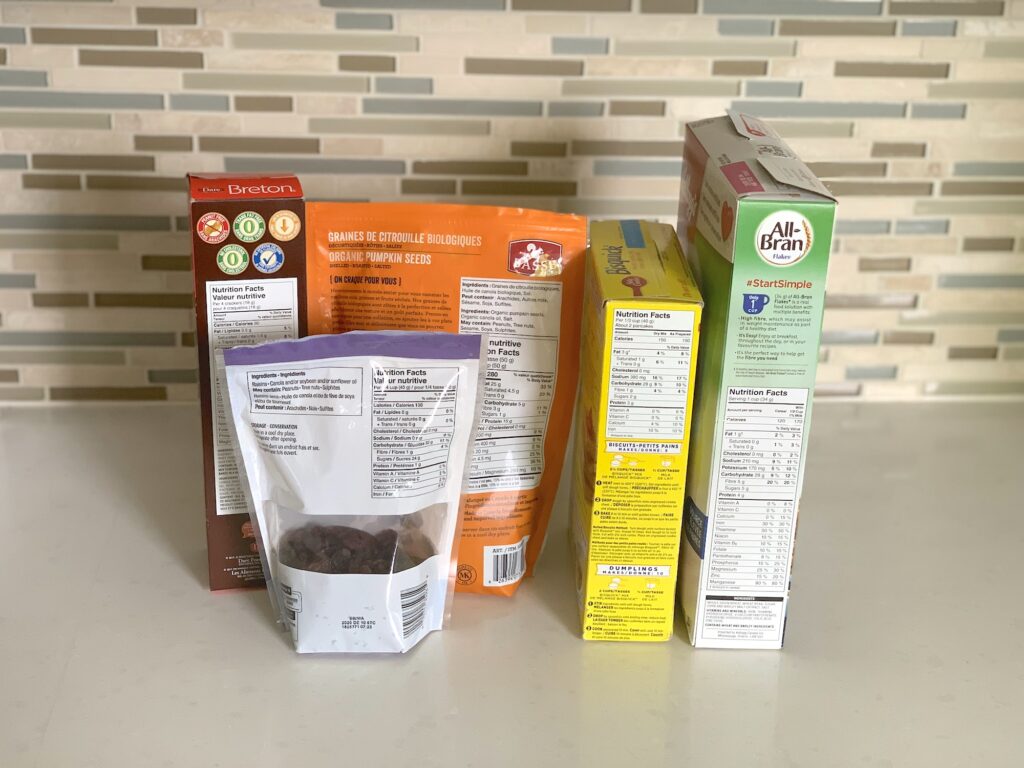
Understanding Food Labels
Canada to fight poor diet with labels for sugar, salt, saturated fat Register. OTTAWA, June 30 (Reuters) - Canada will require food packaging to carry clear labeling to indicate high content of sugar, sodium and saturated fat, helping consumers regulate their diets ...

Food labelling & marketing - David Hammond PhD
How To Read Nutrition Labels (Canada) - YouTube In this video, I cover how to read nutrition labels (Canada.) Nutrition labels can look like complicated algebra but are really simple once broken down into ...
Healthy & Easy-to-Eat Snacks You Can Eat and Not Gain Weight
Canada to slap warning labels on sugary, salty and fatty foods Foods high in sugars, sodium and saturated fat will come with clear warning labels in Canada starting in 2026, the federal government said on Thursday, in an effort to promote healthier eating ...

Knit Jones: Baby Consumerism
Understanding a food label - Food Labelling in Canada (Mobile) DATE MARKING. "Product of Canada" and "Made in Canada" claims have specific guidelines that must be met in order for companies to use the claim. A "Product of Canada" label means that all, or virtually all (generally 98 per cent), of the food, processing and labour used to make the food is Canadian.

Knit Jones: May 2010
Understanding food labels - Canada.ca Find information on food labels and how to understand them. Learn about nutrition facts tables, serving size, list of ingredients, % daily value and nutrition claims.
Iron Needs of Athletes: How to Get Iron from Your Diet
Understanding Food Labels in Canada - Unlock Food Understanding Food Labels in Canada Nutrition labelling became mandatory in Canada in 2007 on all prepackaged foods. Since then, nutrition and ingredient information has been listed on the food label. They have been designed to be easy to find, simple to read and to allow Canadians to make informed food choices. What information is on a food label?
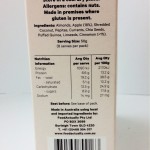
How to read food labels
Food labelling for consumers - Canadian Food Inspection Agency Consumers can use food labels to make more informed choices about the food they purchase. Both Health Canada and the Canadian Food Inspection Agency (CFIA) provide direction on food labelling in Canada. In this section you will learn how to read a food label, and receive information on certain parts of the label, including best before dates and ...
/pblinitiative/images/image-ID-35f28dee-0d6b-4427-e5c6-bf7e16bc61a0.png)
A Guide to Food Label Reading
How to read food labels: MedlinePlus Medical Encyclopedia Always check the serving size first. All the information on the label is based on the serving size. Many packages contain more than 1 serving. For example, the serving size for spaghetti is most often 2 ounces (56 grams) uncooked, or 1 cup (0.24 liters) cooked. If you eat 2 cups (0.48 liters) at a meal, you are eating 2 servings.

Reading Food Labels: What To Avoid And Why | Health Tips Now
PDF Label Reading the Healthy Way - Alberta Health Services Choose fewer processed and packaged foods. Look for unsalted, low salt, and no-added salt foods. Read ingredient lists on packages. Limit foods with salt, sodium, or soda as one of the first 3 ingredients. Compare brands. Choose foods with 15% or less DV for sodium. Fats Fats found in food can be unsaturated, saturated, or trans fats.

Knit Jones: Half Bath Remodel

Knit Jones: June 2010

Calls for mandatory health information on alcohol labels - BBC News
Post a Comment for "40 how to read food labels canada"