40 new food labels australia
Country of origin food labels | Department of Industry, Science and ... The current requirements for country of origin labelling for food came into full-effect in July 2018. We reviewed the reforms in 2021. The review examined how well the reforms: improved consumer access to information about the origin of food clarified the origin claims businesses can make about their products Labelling - Food Standards Food labels also help to protect public health and safety by displaying information such as use by dates, ingredients, certain allergens, instructions for storage and preparation, and advisory and warning statements. FSANZ sets standards for what information must be on food labels. FSANZ has developed information on a range of labelling topics.
Develop your own label. - Correct Food Systems Australia recently adjusted their Allergen Labelling requirements. See Webpage Plain English Allergen Labelling The common food allergens and sulphite preservatives must be listed in the ingredients list, or in a separate statement on or near the food.

New food labels australia
Food labelling - WA Health, Government of Western Australia Food labelling Food labels provide a wide range of information to help consumers make food choices. Food Standards Australia New Zealand sets food labelling requirements in the Food Standards Code (external site) . These Labelling Standards are enforced by local government Environmental Health Officers. The Food Standards Code includes: Australia's new compulsory food labelling laws begin from July 1 Australians will now have a better idea about where their food is grown and made after tough new labelling became law on July 1. The new labels tell buyers what is 100 per cent grown in Australia or made in Australia from Australian ingredients, or if only the processing is done in Australia. Private Label Foods - We Bring Products To Life STEP 1 Define your product and how we can bring it to life STEP 2 Research existing products and generate ideas on how to develop the best in field STEP 3 Source local and imported ingredients to bring idea to life STEP 4 Create custom product samples STEP 5 Receive feedback and make adjustments STEP 6
New food labels australia. Labels & the law | NSW Food Authority In Australia, food manufacturers must ensure that food labels conform to the national Food Standards Code.Other laws also apply. Food Standards Australia New Zealand (FSANZ) develops the Food Standards Code and state authorities, like the NSW Food Authority, enforce it locally.. Everything said about a food on the label is also subject to Australian Consumer Law, which prohibits false ... Grown in Australia? New food labelling system offers the answers Australian consumers will have more information about whether their food is grown or produced in the country after a new food labelling system comes into effect on Sunday. From 1 July,... Changes to allergen labelling | NSW Food Authority New requirements for labelling the most common allergens in food commenced on 25 February 2021. The changes to the Food Standards Code will help people find allergen information on food labels more quickly and easily, so they can make informed and safe food choices. using consistent names that are simple, plain English and in bold font. Food label information | NSW Food Authority Part 1.2 of the standards sets out this requirement. All food labels must contain the following information: Name and/or description of the food. Identification of the 'lot' number (food recall information) Name and Australian or New Zealand street address of the supplier of food (food recall information) List of ingredients. Date mark.
- Food Safety Labels Food Safety Labels offers the most competitive prices for a large range of adhesive labels used in the safe preparation of food products. We also offer great savings on a number of other products used in food handling and packaging. ... New Products. Cut Up - 25mm Circle Removable $15.00. Vitamised - 25mm Circle Removable $15.00. ISOWIPES ... P1044 - Plain English Allergen Labelling - Food Standards The Australia New Zealand Food Standards Code (the Code) requires these to be declared on labels when they are present in food. On 25 February 2021 the Code was amended to introduce new requirements for the labelling of allergens in food. These requirements include that allergen information is to be declared: Country of origin | ACCC Food that was packaged and labelled on or before 30 June 2018 can still be sold without the new labels. Grown in, produced in, made in. The key country of origin claims mean different things: ... If a priority food was grown, produced or made in Australia, its country of origin label will also feature: Food Labelling & Allergen Guide - Australian Food and Grocery Council It was first development by the AFGC in 2007 but an updated edition was jointly published by the AFGC and Allergen Bureau in April 2021. New to the Guide in 2021 are: Managing and communicating changes to the allergen status of a packaged food Differentiating similar products with differing allergen content
Labelling laws | NSW Food Authority * Food labels are legally required to show the name and Australian or New Zealand business address of the manufacturer or supplier (packer or vendor importer) plus the lot and batch number of the food (or date coding) to enable efficient food recalls. Food is recalled when it poses a possible public health and safety risk to consumers. Changes to food labelling laws - The Australian Made Campaign Australian Made's reminder about new country of origin food labelling laws. From July 1, 2016, the Australian Government incorporated the Australia Made Campaign Ltd's (AMCL) Australian Made, Australian Grown (AMAG) kangaroo logo into a new country of origin label, which, on July 1, 2018, became mandatory for most Australian food products ... Food labelling | NSW Food Authority New requirements for labelling the most common allergens in food commenced on 25 February 2021. The changes to the Food Standards Code will help people find allergen information on food labels more quickly and easily, so they can make informed and safe food choices. For more information see Changes to allergen labelling . Ingredient lists and percentage labelling - Food Standards Percentage labelling Most packaged foods have to carry labels which show the percentage of the key or characterising ingredients or components in the food. This allows you to compare similar products. The characterising ingredient for strawberry yoghurt would be strawberries and the label would say, for example, 9% strawberries.
A1 Pictures: Pretty Pigeon
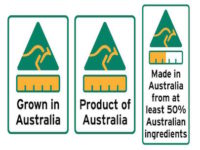
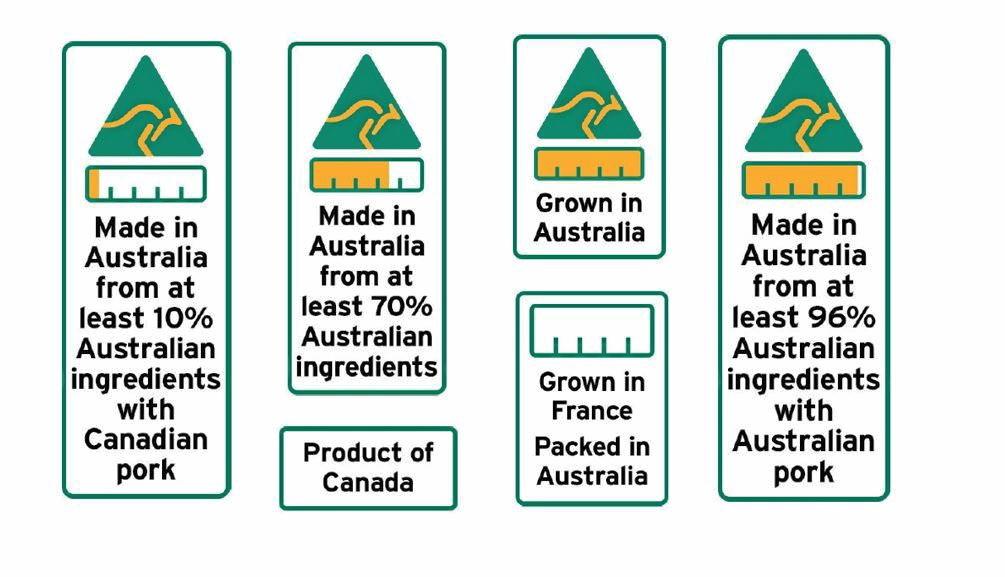
PDF Australian Made, Australian Grown Logo The Logo & Food Labelling Under the new scheme, most food products grown, produced or made in Australia will be required to carry a new country of origin mark, comprising three elements: 1the kangaroo logo 2 a bar chart showing the percentage of Australian content (by ingoing weight) 3a text statement

Pirate Party Labels
Farmers hope new food labelling laws spur consumers to buy more ... After a two-year phase-in period, new country-of-origin food labelling laws come into full effect in July. An example of the new labelling system that is now compulsory. (Supplied) The labels clearly spell out where food is from, and which foods are grown, produced or made in Australia. All priority foods must display new country-of-origin labels.
New food labels should go further than country of origin - Inside FMCG
Food labelling - Health.vic Food labelling Key messages All packaged foods sold in Australia must comply with the labelling requirements of the Australia New Zealand Food Standards Code, which applies in Victoria through the Food Act 1984. Food labels must carry essential information, so that consumers are informed of the nature and properties of foods before they buy.

Wild West Cowboy Drink Labels
Food Law Update: Australia - Ashurst Food producers should ensure that all packaging for food products sold in Australia and New Zealand, including for products currently on the shelf, contains the mandatory declaration for lupin. ... (Code) in May 2017, to include lupin as one of 11 ingredients that must be declared on food labels, along with peanuts, eggs, milk, sulphites ...
14 changes that could affect you from July 1 | Sunshine Coast Daily
Australia's medicine labels are becoming clearer Active ingredients will be easier to find. The active ingredient is the substance in the medicine that makes it work. You probably know of paracetamol, ibuprofen or insulin - all of these substances are active ingredients. Under the new labelling rules active ingredients need to be more prominent. You will usually be able to find them below or ...
Here Are The Breakfast Cereals That Are Actually Healthy | HuffPost Australia Food & Drink
Australia - Labeling/Marking Requirements The joint Australia New Zealand Food Standards Code requires all packaged food to be labeled with nutritional information on how much fat, protein, energy, carbohydrates, and salt is in the product. Labels must also show the percentage of key ingredients and all the main ingredients that may cause allergies.
Here Are The Breakfast Cereals That Are Actually Healthy | HuffPost Australia
Food labels - Better Health Channel Under labelling laws introduced in Australia in 2003, virtually all manufactured foods must carry an NIP. There are exceptions to the labelling requirements, such as: very small packages and foods like herbs, spices, salt, tea and coffee single ingredient foods (such as fresh fruit and vegetables, water and vinegar) food sold at fundraising events

Australia is getting new food labels -- here's what they look like | Business Insider
Food labelling FAQs | ACCC The Country of Origin Food Labelling Information Standard (Standard) commenced on 1 July 2016. The Standard establishes a new system for the country of origin labelling of food products sold in Australia. Businesses have up to two years to transition to the labelling requirements set out in the Standard.
The Contemplative Creative: Egg Carton Snack Box
Labelling poster - how to read food labels This interactive resource explains the food labelling requirements set out in the Food Standards Code and what that information means. Click on the numbers to find out more about food labelling. A useful poster is also available. You can download a copy here (PDF 372KB), or for a printed A2 version please email information@foodstandards.gov.au.

Design Institute of Australia (DIA) - Are you up to date with the new Australian food labelling ...
Labelling - Food Standards The Food Standards Code includes the general labelling and information requirements (Chapter 1 of the Code) that are relevant to all foods, and sets out which requirements apply in different situations (for example food for retail sale, food for catering purposes, or an intra-company transfer).

Top Vegan Gelatin Substitutes | Better Homes and Gardens
How to understand food labels - Eat For Health More information about food labelling requirements can be found at Food Labels - What do they mean? Food Standards Australia and New Zealand [PDF, 1MB]. While food labels can carry many different types of information, the main things to look at when choosing healthy food are the Nutrition Information Panel. Nutrition Information Panel
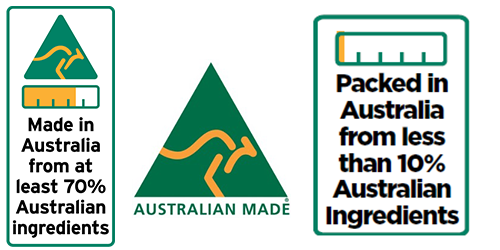
Protecting 'Made in Australia' - changes to food label requirements
Private Label Foods - We Bring Products To Life STEP 1 Define your product and how we can bring it to life STEP 2 Research existing products and generate ideas on how to develop the best in field STEP 3 Source local and imported ingredients to bring idea to life STEP 4 Create custom product samples STEP 5 Receive feedback and make adjustments STEP 6

Canberra Australia Capital | World Wide Images
Australia's new compulsory food labelling laws begin from July 1 Australians will now have a better idea about where their food is grown and made after tough new labelling became law on July 1. The new labels tell buyers what is 100 per cent grown in Australia or made in Australia from Australian ingredients, or if only the processing is done in Australia.

What Food Labels In Australia Should Actually Tell Us | Lifehacker Australia
Food labelling - WA Health, Government of Western Australia Food labelling Food labels provide a wide range of information to help consumers make food choices. Food Standards Australia New Zealand sets food labelling requirements in the Food Standards Code (external site) . These Labelling Standards are enforced by local government Environmental Health Officers. The Food Standards Code includes:
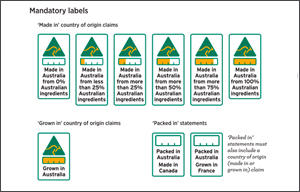
Government's proposed new food labelling system to incorporate Australian Made, Australian Grown ...
Post a Comment for "40 new food labels australia"