44 macronutrients on food labels
Macronutrients compliance between foods labels and marketing package ... We tested label accuracy for energy and macronutrient content of prepackaged energy-dense snack food products. We measured "true" caloric content of 24 popular snack food products in the U.S. and ... calculator-online.net › macro-calculatorMacro Calculator - Calculate Macros for Weight Loss IIFYM makes a new approach on dieting as it focuses on macronutrients rather than calories. Macros or Macronutrients are contains four types of food molecules that human body can break down for energy. But, only three types of macronutrients are tracked in If It Fits Your Macros (diet). Protein; Carbohydrates; Fat
› health › healthy-eating-you-ageHealthy Eating As You Age: Know Your Food Groups Feb 25, 2022 · Main food groups Vegetables. Vegetables come in a wide variety of colors, flavors, and textures. They contain vitamins and minerals, carbohydrates, and are an important source of fiber. The vegetable food group includes dark green vegetables, red and orange vegetables, starchy vegetables, and legumes (beans and peas).

Macronutrients on food labels
Glycemic index is as reliable as macronutrients on food labels Glycemic index is as reliable as macronutrients on food labels. Am J Clin Nutr. 2017 Mar;105 (3):768-769. doi: 10.3945/ajcn.116.146092. How Do They Calculate Calories on Food Labels? 22 grams of carbohydrate (22 x 4 = 88 calories) 2 grams of protein (2 x 4 = 8) ...should contain approximately 140 calories. It's important to recognize that 4-9-4 is an average, and not an exact amount. For example, 1 gram of fat in one food may yield 8.34 calories while 1 gram of fat from another food yields 9.7 calories. Macromolecules, macronutrients - how are they digested? - Sugar ... Macronutrients are the essential molecules that provide dietary energy to the body. They can be broken down into the following three nutrients. Carbohydrate Starch and sugars fall into the category of carbohydrates. Starch and sugars are made up of building blocks called monosaccharides (a monosaccharide is typically a single sugar unit).
Macronutrients on food labels. › diet › healthy-eatingWhat are Macros in Food, and Should You Count Them? Mar 29, 2022 · Short for macronutrients, macros are the fat, protein and carbohydrates that make up food and help you create energy. You can find them called out on nutrition labels. When you count macros and adjust their ratios, you can use them to achieve health goals like weight management, to gain muscle or to get into ketosis. Nutrition Facts Labeling — FDA Reader Vitamins, Minerals and Macronutrients. The following vitamins and minerals are required on the nutritional label "Supplemental Facts" section. They must be measured in terms of percentage of daily value and weight. The minimum requirement is listed below (must be listed in this order): Vitamin D, Calcium. Iron. NCDA&CS - Kid's World - Understanding Food Labels Food labels show us if a food has a little or a lot of certain nutrients. Look on the side of a product to find the Nutrition Facts title. You will find the serving size of the food below the nutrition facts title. Similar food products have similar serving sizes. The servings per container are also included to let you compare what you actually ... How Do You Know Your Food's Nutrition Facts Label Is Accurate? NIST's measurements are accurate to within 2% to 5% for nutrient elements (such as sodium, calcium and potassium), macronutrients (fats, proteins and carbohydrates), amino acids and fatty acids. As you may have noticed, most of your favorite food items have recently updated their nutrition facts labels.
This Is How to Read a Nutrition Facts Label on the Keto Diet That's not a 33% fat, 33% carb, 33% protein ratio. It's actually 52% fat, 24% carb, 24% protein. This may sound a little confusing, but as long as you limit carbs (the most important part) and aim for healthy fats and protein to make up a majority of your daily macronutrient intake, your results should be excellent. diabetes.org › healthy-living › recipes-nutritionGet to Know Carbs | ADA - American Diabetes Association All food is made up of three main nutrients: carbohydrates, protein and fat. You need all three to stay healthy, but each person needs a different amount. When choosing carbs, the key is choosing complex carbs—the ones that give you the most bang for your buck in terms of vitamins, minerals and fiber. What Are Macronutrients and How to Count Macros - Food Network Food Labels: 60% Carbs, 30% Fat, 10% Protein Food label "Daily Value" amounts are set by the FDA and based on a 2,000 calorie diet, which is not appropriate for everyone. These macro values may be... Macro Math Is Hard: Understanding Nutrition Labels ... - AlexMaclin.com Step 3: Calculate your MacroNutrients Once you understand how to read a label and have tools to measure the food, you can figure out how much protein, carbs, & fat (macros) you have present. Let's say you need 25 grams of carbs for your meal and you want to get it from the whole-grain pasta. Here's the label again.
How to Read a Nutrition Label — and Finally Get Your Macros Right Step 2: Look at the calorie count. Look at the calories listed per single serving. Calories are not the determining factor in a given food's healthfulness but can be taken into consideration in the context of your overall day. Step 3: Check for fats, sodium and added sugar. › en › whats-in-foodThe Functions of Carbohydrates in the Body | Eufic Jan 14, 2020 · Alongside fat and protein, carbohydrates are one of the three macronutrients in our diet with their main function being to provide energy to the body. They occur in many different forms, like sugars and dietary fibre, and in many different foods, such as whole grains, fruit and vegetables. Food Label Accuracy of Common Snack Foods - PMC Deviation of macronutrient content from label statements Macronutrient content was measured in a subgroup (n=10) of all snack foods. Total difference in g and difference from label in % are shown for carbohydrates (CARB), fat (FAT) and protein (PROT). CI: confidence interval. P-values derive from Wilcoxon signed rank sum tests. How To Read Food Labels: What's On it & What to Avoid After that, the label transitions into a breakdown of the macronutrients of the food item. You will first see total fat, which is broken down further into saturated and trans fat (stay away from trans fat). Then, you will see cholesterol followed by sodium. ... In my opinion, the most important part of the food label is the ingredient list that ...
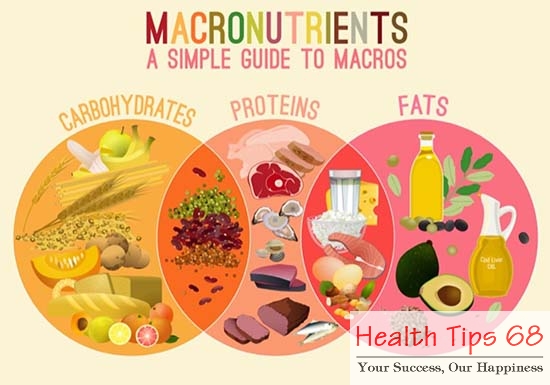
Where are the macronutrients located on a nutritional label? - Health Tips, Health News, Health ...
How To Read The Food Labels for Weight Loss Protein, carbohydrates, and fats are considered macronutrients. If your goal is weight loss, this is what you need to keep track of. I personally do not count calories, just macronutrients. So when you're wandering those isles, pick up the item and look for these 3 things. I circled them on this food label so you can see exactly what to look for.

What are macronutrients - Heart Matters magazine | BHF
Understanding Food Labels and Nutrition - San-J Some of these components help the body activate macronutrients. You'll find examples of micronutrients like B vitamins, Vitamin D, iron, potassium and calcium towards the bottom of the nutrition label, along with their daily value percentages. What About Dietary Fiber? Fiber is a variety of carbohydrate and has two types.

Macronutrients Foods List | Bruin Blog
› pmc › articlesThe Effects of Nutrition Knowledge on Food Label Use: A ... Sep 01, 2015 · The use of eye tracking to examine associations between food labels and food choice is becoming more common (Bialkova et al., 2014; Jones & Richardson, 2007; Miller, 2014; Miller & Cassady, 2012; Miller et al., 2015; Nelson, Graham, & Harnack, 2014). Within our conceptual framework, attention is a form of frequency of use (how much or how often ...
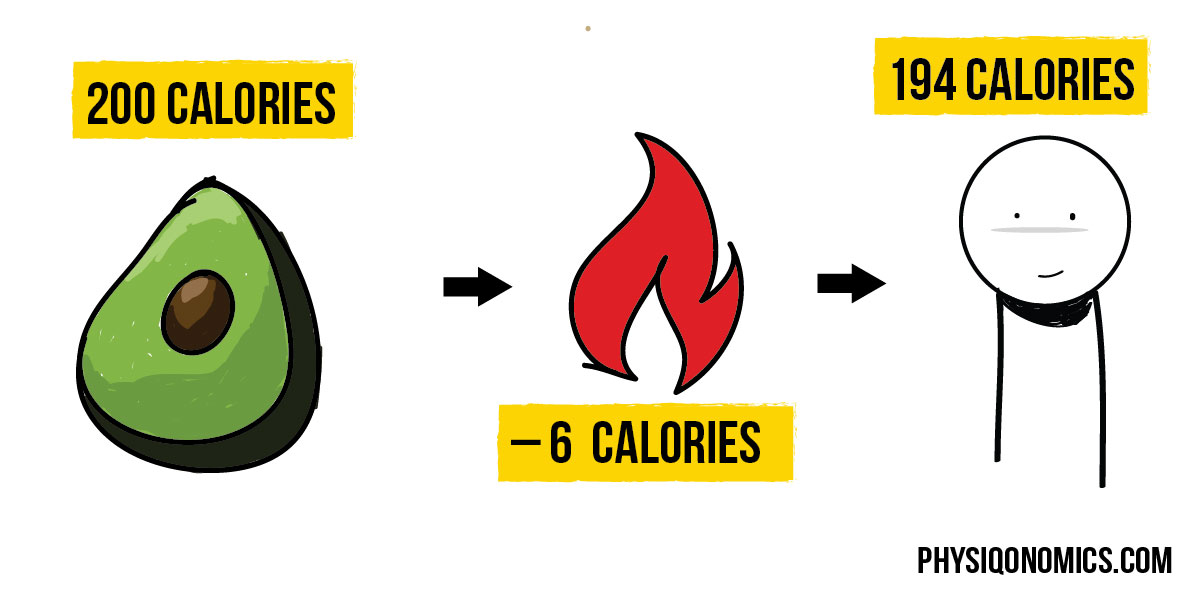
It's Not as Simple as Calories in Calories out but Calories Still Count. Here's Why. | Physiqonomics
What Are Macronutrients? All You Need to Know - Healthline Macronutrients include carbs, protein, and fat. They provide energy in the form of calories and are needed to maintain your body's functions and structure. Food sources of carbs, protein, and fat...

30 Where Are The Macronutrients Located On A Nutritional Label_ - Labels For You
Macronutrients_Micronutrients_Food_Labels.pdf - THE... The macronutrients are as follows. • Calcium is found in bones and is important to blood clotting and muscular function.• Phosphorus is found in bones, in ATP (adenosine triphosphate) and in nucleic acids.• Sodium, potassium, and chloride are important for proper fluid-level maintenance.• Magnesium is important to cellular metabolism.
Biology question | Chegg.com
The Science Behind Calories and Nutrition Facts Labels These main nutrients are fats ( lipids ), proteins and carbohydrates. Some calories you consume every day should come from each of the three nutrients. About 50 to 60% of your calories should come from carbohydrates, 30% of your calories should come from fat and 12 to 20% of your calories should come from proteins (©2020 Let's Talk Science).

Understanding food: macronutrients
How Do I Determine the Macronutrient Content of Fresh Foods? A 1/2 cup (90 grams or 119 ml) of fresh fruit or fruit juice, or a 1/4 cup (50 grams) of dried fruit, contains 15 grams of carbs, 0 grams of protein, and 0 grams of fat. Milk. One cup (237 ml) of...

MACRONUTRIENTS: THE BASICS | Nutrition 101 Ep. 1 - YouTube
Daily Value on the New Nutrition and Supplement Facts Labels The Nutrition Facts label must list total fat, saturated fat, trans fat, cholesterol, sodium, total carbohydrate, dietary fiber, total sugars, added sugars, protein, and certain vitamins and...

Infographic: What are Macronutrients? - The Fitness Rebellion
How to Understand and Use the Nutrition Facts Label | FDA Dietary fiber, vitamin D, calcium, iron ad potassium are nutrients on the label that Americans generally do not get the recommended amount of. They are identified as nutrients to get more of....

How to Choose Healthy Frozen Dinners | Mind Over Munch
Food labels - NHS This type of label includes information on energy (kJ/kcal), fat, saturates (saturated fat), carbohydrate, sugars, protein and salt. It may also provide additional information on certain nutrients, such as fibre. All nutrition information is provided per 100 grams and sometimes per portion.

Macronutrient Calculator - Protein, Fat, Carbohydrate, and Fiber
Macronutrients compliance between foods labels and marketing package ... Results: The amount of fat, carbohydrate, and protein content in 67.8%, 48.4%, and 38.5% of analyzed foods was different from their nutrition fact labels. The fat content on nutrition facts label of dressings was lower than their analyzed values (10.15 ± 15.87 vs. 11.40 ± 21.44 g, P = 0.001).

33 Where Are The Macronutrients Located On A Nutritional Label_ - Labels Database 2020
Macronutrients | Food and Nutrition Information Center | NAL | USDA Macronutrients Find general resources on carbohydrates, proteins, fats and cholesterol, fiber, and water below. Use these links for specifics on a particular type of macronutrient: Carbohydrates Protein and Amino Acids Fats and Cholesterol Fiber Water Energy Questions and Answers on Dietary Fiber HHS, FDA

Pin on Weight Loss Tips
› nutrition › best-macronutrientThe Best Macronutrient Ratio for Weight Loss - Healthline Sep 02, 2018 · Macronutrients refer to carbs, fats and protein — the three basic components of every diet. Your macronutrient ratio doesn’t directly influence weight loss.. The acceptable macronutrient ...

Math Fun with Nutrition Facts Labels | theAfterBurnSG
Understanding Food Labels and Health Claims - Maricopa This label is called a Nutrition Facts panel, which gives information on the number of servings per container, the number of calories per serving, and certain nutrients. Specifically, it lists the macronutrients and four of the most important micronutrients people need to pay special attention to, such as Vitamin D, Calcium, Iron, and potassium.
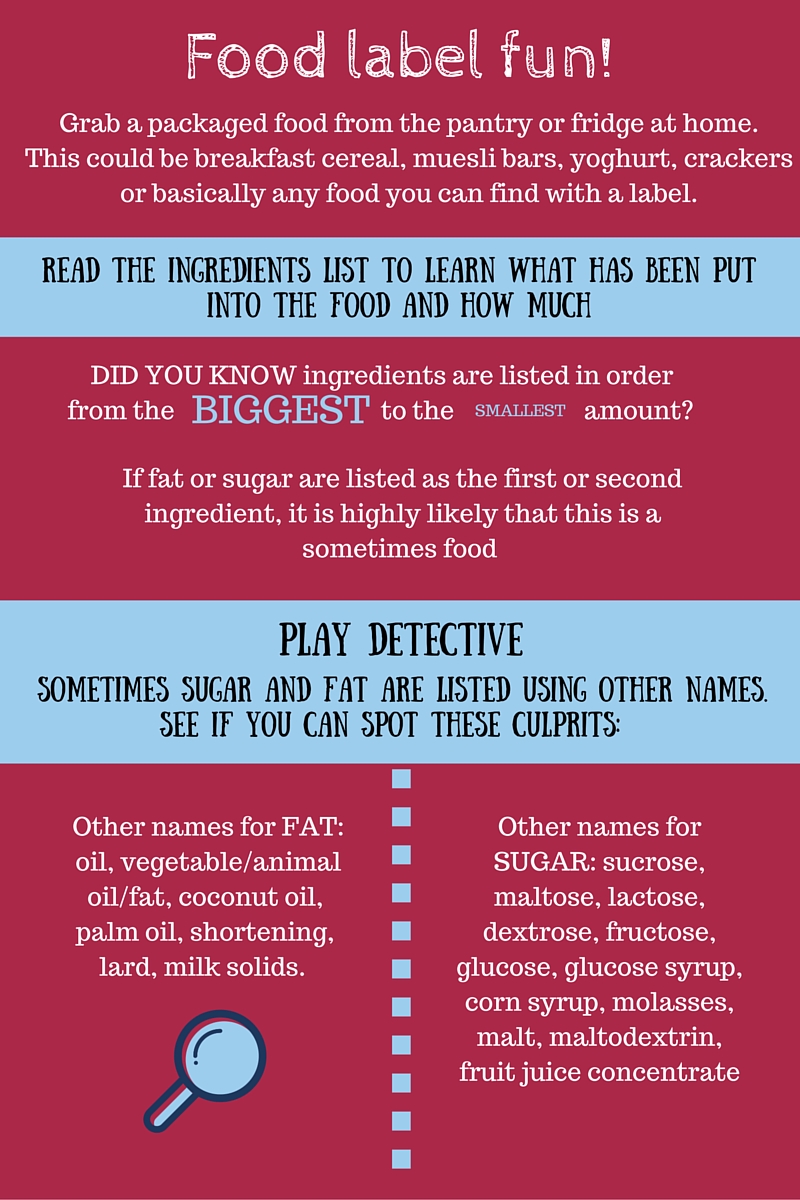
Food label fun - Healthy Kids
The Ultimate Guide To Macronutrients: Understanding ... - Swolverine Macronutrients (or macros for short) are the specific molecules that contain energy and nutrients to make up calories. Every calorie of food that you eat can be broken down into three main groups that contain energy (aka calories). Carbohydrates (1g carb = 4 calories) Protein (1g Protein = 4 calories) Fats (1g Fat = 9 calories)
Post a Comment for "44 macronutrients on food labels"